
Wildflowers, Wine and History in Crete
event 18 April - 24 April 2027 (6 days)

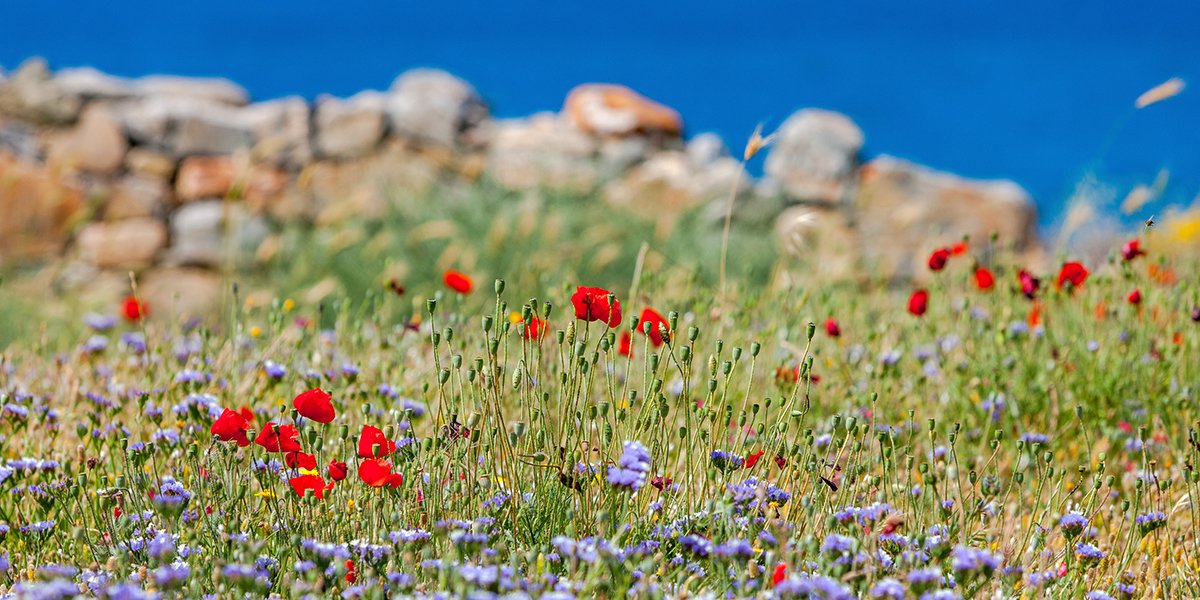
Crete offers a richly sensory experience, where you are immediately immersed in the fragrance of wild herbs such as rosemary, thyme, sage, lavender and chamomile. The island’s landscapes are extraordinarily diverse and abundant, supporting around 2,000 plant species, remarkably, about ten percent of these grow nowhere else in the world. Spring, particularly from March to May, brings Crete to life with a spectacular burst of colour. Wild orchids and tulips flourish alongside chamomile, poppies, anemones, iris and field gladiolus, creating vibrant carpets of flowers across valleys, hillsides and meadows.
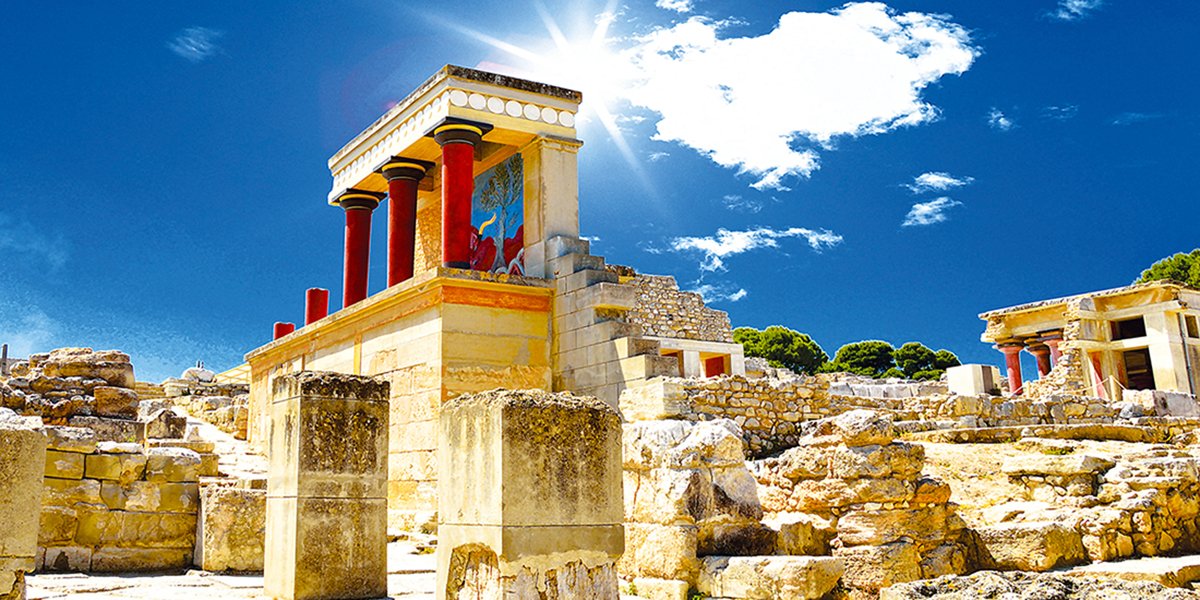
Crete’s natural splendour is matched by the depth of its history. The island was home to the Minoans, Europe’s first advanced civilisation, who thrived approximately 4,000 years ago. Over the centuries, Crete’s strategic position at the crossroads of Europe, Asia and Africa has attracted numerous waves of invaders and settlers. Each has left a distinct mark on the island’s architecture, culture and traditions. Nowhere is this layered history more visible than in Chania, a city where imposing fortresses overlook winding medieval alleyways, and elegant Renaissance mansions stand beside mosques and Ottoman-era bathhouses. This blend of influences creates an atmosphere both cosmopolitan and deeply rooted in the past.
Cretan life today is shaped by an enduring connection to the land. The island’s celebrated cuisine is built on hyper‑local, seasonal ingredients, many grown or produced within individual villages or even single households. Rural tavernas often raise their own livestock, press their own olive oil, make their own cheese, distil their own raki and wine, and serve seafood caught just offshore. This commitment to self-sufficiency is not a modern trend but a long‑standing tradition, reflecting both the agricultural richness of Crete and the resilience of its people. You'll find yourself immersed in a culture where history, landscape and gastronomy intertwine seamlessly, offering an authentic experience of one of the Mediterranean’s most storied islands.
HIGHLIGHTS
- Extraordinary biodiversity, with 2,000 plant species and a spectacular spring wildflower season.
- A deeply layered history, from ancient Minoan civilisation to Venetian, Ottoman and other cultural influences.
- A strong locavore tradition, where rural communities produce their own food, wine and olive oil, offering an authentic taste of Cretan life.
ITINERARY
The full itinerary can be found on the Jon Baines website.
Scholars
£1,990 per person sharing a room.
The cost of the tour, with a room to yourself is £2,354.

Share this page


