

How Chevening-Cambridge alumna, Laura Reyna, is revolutionising technology worldwide
Laura Reyna (Lucy Cavendish 2020) studied an MPhil in Technology Policy at Cambridge Judge Business School to expand her experience and knowledge of technology in a global context.
Laura is now a technology policy leader from Mexico at the intersection of public service, academia, and the tech industry. She currently serves as Senior Public Policy Manager at TikTok for Spanish-speaking Latin America, where she leads regional strategies focused on digital literacy, gender equity, and civic empowerment.
Cambridge helped Laura to hone her skills as a pioneer in bridging technology, policy, and inclusion across sectors and borders.
Tell us a bit about yourself; where are you from and what do you do now?
I am from Tamaulipas, Mexico, a border state with the United States. I currently work as Public Policy Manager at TikTok for Spanish-speaking Latin America, where I lead regional partnerships.
During the last four years, I have worked to ensure that technology serves public interest across the region, creating campaigns, safety guides, and partnerships that promote digital safety, STEM education and cultural diversity.
I continue to teach Public Innovation annually to public servants at Mexico’s National Institute of Public Administration (INAP), where I earned my PhD. I also write academic chapters and reports on gender, AI, and the future of public service. As a former public administrator, service is in the heart of everything I do.
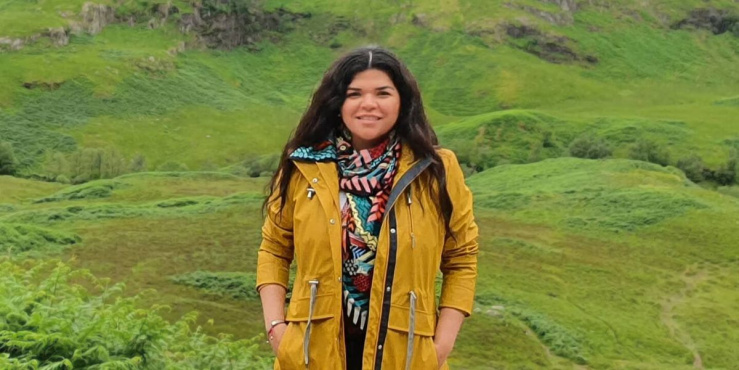
Why did you apply to the Chevening scholarship, and how did you feel when you were selected?
When I applied to Chevening, I had just completed my PhD in Public Administration. I was 31, and in the middle of transitioning from a decade in the public sector into the technology space. I knew my experience had value, but I needed a new language, a new lens, and a global context.
When I was selected, in the midst of the pandemic and bad news, I cried with joy. It wasn’t just a scholarship—it was a bridge into the next chapter of my life. Being accepted into Cambridge strengthened my belief that developing your skillset throughout your life is essential to being an impactful leader.
Why did you choose to study at Cambridge, and what did you study?
I chose Cambridge Judge Business School because I was well-versed in the world of politics, but I was lacking expertise in business and technology. My transition from the Mexican Senate to Grin Scooters, a micromobility company, showed me that I still had a lot to learn before leading in the corporate technology world.
As part of the Technology Policy MPhil, I also had lectures at the Engineering Department, which, as a political scientist, was out of my comfort zone. I learned how systems, code, and infrastructure intersect with governance and society.
I was the only Latin American in my cohort, which pushed me to advocate for our region’s inclusion in global tech governance conversations—something I still carry with me in my work today.

Image by Andrew Chen

What was your experience of studying at Cambridge like?
I studied at Cambridge from 2020 to 2021, so my time was impacted by COVID-19. In many ways, it felt like having Hogwarts all to yourself at Christmas. There were no tourists, no crowded halls—just students, silence, and my studies. It was lonely at times, but incredibly rich in academic exploration.
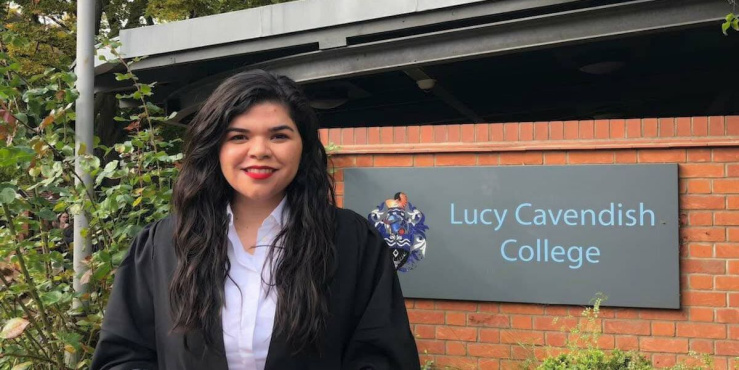
I spent countless hours at Lucy Cavendish College, taking long walks along the River Cam, reading, and reflecting. One question I often asked myself was: “What purpose should I use my talent for?”
One of the most valuable parts of my Cambridge experience was the Chevening network. I met Cheveners from around the world and other Mexicans who were also looking to change their career path. This community of like-minded individuals made a big transition feel less daunting and lonely.
What did you take away from your time at Cambridge?
Cambridge gave me the tools, language, and confidence to lead in the world of technology policy. It helped me shift from advising inside government to actively shaping policy from the tech industry.
Being pushed out of my comfort zone in Cambridge helped me understand that leadership is not about having all of the answers—it’s about listening, collaborating across disciplines, and staying grounded in your purpose.
Most importantly, I realised that you don’t have to choose between values and innovation because you can design systems where both flourish.
What have you done since graduating from Cambridge?
Since graduating from Cambridge, I’ve spent the past four years at TikTok leading public policy partnerhips and education programmes across Latin America. I’ve developed initiatives such as #AprendeEnTikTok, which has trained over 25,000 teachers to use the platform safely in the classroom; the STEM Feed in Spanish, bringing science and technology to millions of users; and #EmprendeEnTikTok, which has helped more than 17,000 small businesses grow through digital tools.
I’ve also worked to elevate Latin American voices globally, representing TikTok as a regional spokesperson at events like COP16 in Colombia and the Guadalajara International Book Fair. From interviews with top-tier media in Peru to meetings with public officials in Guatemala, I’ve used these opportunities to advance conversations on climate literacy, culture, and education—skills that Cambridge prepared me to approach.
Beyond TikTok, I remain an active member of the Chevening and Cambridge networks. I serve as Treasurer of the Cambridge Alumni Association in Mexico. I have also participated in Embassy events, joined interview panels for Chevening candidates, and organised policy dialogues with alumni working in technology. Even today, my Chevening connections shape my professional path, as I collaborate with colleagues who share this experience.

What would you say to prospective applicants from Mexico or Latin America?
Your background is not a limitation—it’s your superpower.
It’s better to be authentic than to have the “perfect” story. Your Chevening application is not about having a linear path, but about being clear on your causes and commitment to learning. It is a scholarship about leadership, so think big.
Your application should not only be about what you’ve achieved, but how your work translates into public value and change for your community or sector.
Before applying, take the time to reflect. Your Chevening application to Cambridge gives you the opportunity to think about where you want your career to go. What do you want your work to stand for? This clarity will not only guide your application—it will shape your career.
Leverage the Chevening network. Reach out to former Cheveners in your country. The Mexican network is very active, and there’s always someone willing to share advice, experiences, and support during the process.
Cambridge and Chevening equip you to transform your region and the world. And we need more Latin Americans, like you, shaping the future.
Want to have an impact in Mexico and beyond? Make sure you submit your Chevening application by 7th October 2025. More information on Chevening can be found here: Mexico (Chevening Scholarship) | Chevening.