
 CAM
CAMIllustartion by George Wylesol
This idea must die- ‘The school system is broken beyond repair’
 TIMD- 'The school system is broken beyond repair'
Professor Hilary Cremin believes the status quo for the education system is becoming untenable and has some ideas about what might come next.
Interview:
Illustration:
Published on:
13 July 2026
As we progress through the 21st century, the flaws in our schooling system are becoming more and more apparent.
Many schools function a bit like a prison, a factory or the army – perhaps because there is a general view that discipline is what it takes to provide a better future for our children.
It’s become so much part of our collective psyche that it’s difficult to suggest another way. This educational model harks back to the post-war expansion of the markets, when we were contending with how you manage large sections of the population in order to fashion a productive workforce.
While society has moved on, schools are stuck in this 20th-century idea of the ‘massification’ of schooling. It creates a culture of dissatisfaction, unhappiness and competition, as well as ingraining existing systems of privilege
We need to educate young people to take more control over their learning – the what, when and why.
It doesn’t build the kinds of societies that we’re desperately going to need in the future. But I don’t think education is broken beyond repair.
We need to educate young people to take more control over their learning – the what, when and why.
We need them to question what they’re seeing online, to know what an echo chamber is and how to get out of it, and how to bridge across difference.
These are all things that can be taught if you set your education system up for that.
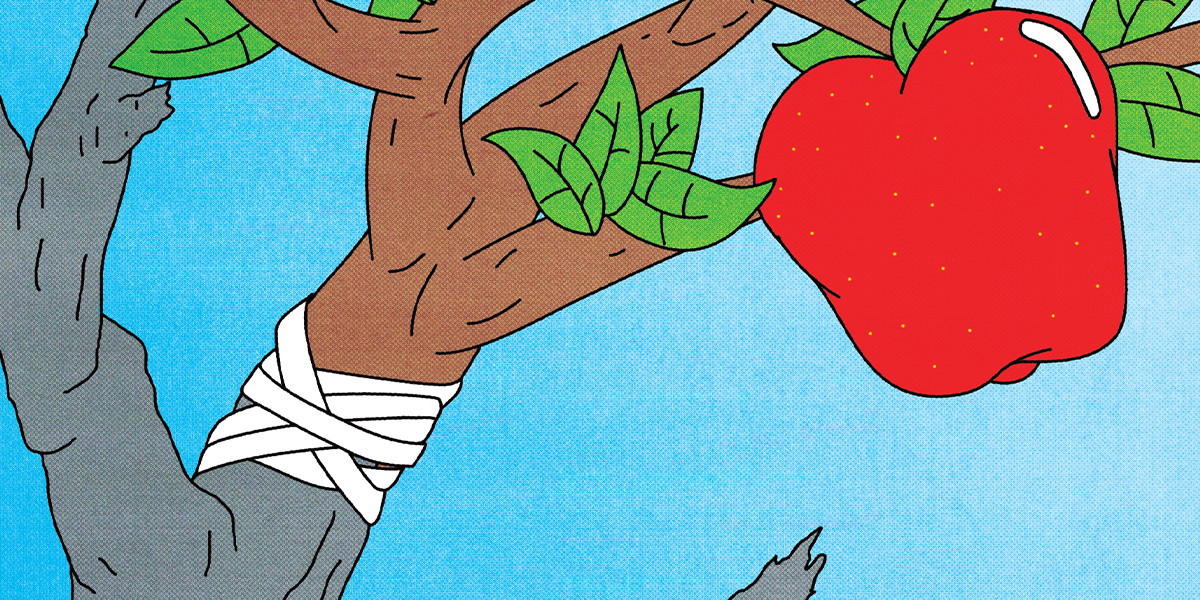
That’s why I borrow the language of ecological restoration to talk about ‘rewilding’ education – which is partially metaphorical.
If we want food security in the future, we have to move away from industrial-scale factory farming towards Professor Hilary Cremin believes the status quo for the education system is becoming untenable, and has some ideas about what might come next. more ecosystemic ways of growing food. I think we need to do the same thing for education, with an ecosystem of learning opportunities.
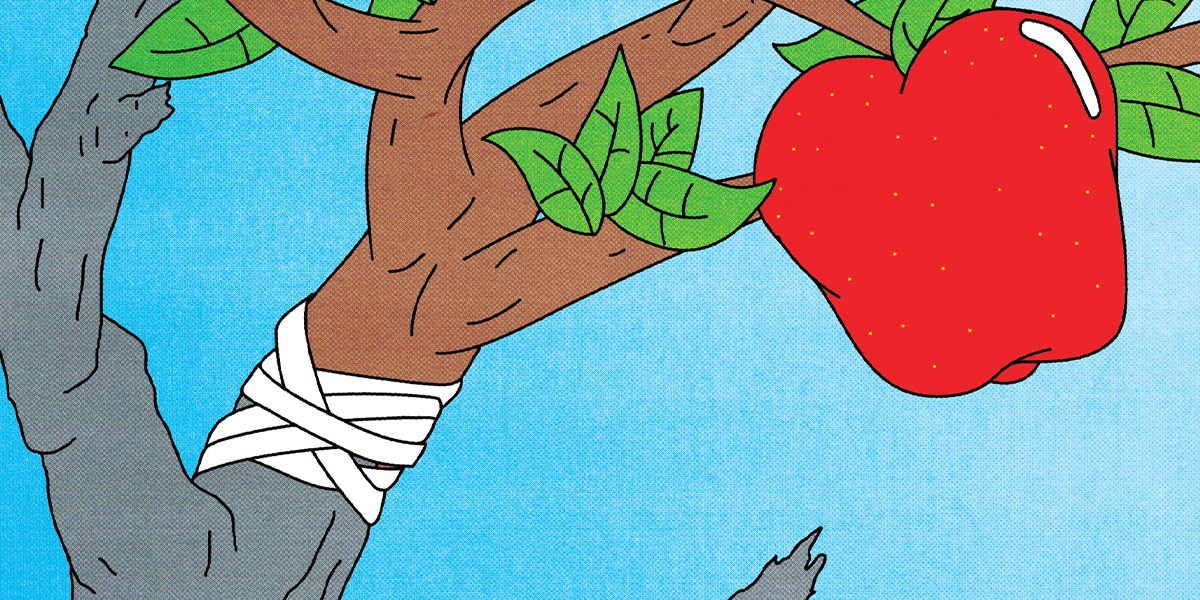
So rather than valorising some ways of thinking, being and doing, and completely trivialising others, let’s help people be the best person they can be with their particular skill set.
Why can’t we let many flowers bloom? It’s also literal, in the sense that we’re in a climate emergency. Young people need to reconnect with nature and know where their food comes from
Rather than valorising some ways of thinking, being and doing, and completely trivialising others, let’s help people be the best person they can be with their particular skill set
They’re not going to protect something they don’t care about, or question where food comes from in artificially lit environments.
I’m a great believer in forest schools and in learning in and through nature.
The question is, what are we preparing the next generation for? Whatever we do in schools, it has to enable young people to be agile, because the future is so uncertain.
They need to be able to change course quickly, to use their basic skills – of being critical, being analytical, being entrepreneurial, being resilient – to meet whatever changing circumstances come their way.
My dream is that we would have universal primary education, which would teach children how to build community and deal with conflict; how to be curious and happy and confident and playful.
It would teach them how to read, how to calculate, how to think like a historian or biologist. But the quality of their relationships would be central.
From age 12, young people would engage with a mentor on a weekly basis to map out their own learning journey.
I’d want education to be happening in science laboratories and art galleries and care homes and startup businesses and farms, while teachers could support students to build up an e-portfolio evidencing their real-world achievements.
AI would be used to develop advanced skills and knowledge in ways that are bespoke for every young person.
And while it would be good to continue with same-age socialisation activities, I think that the idea of every 14-yearold doing PE on a Wednesday afternoon until a bell goes – at which point they all stop and do science – is really, really old-fashioned.
There’s a huge crisis of wellbeing right now, and the policymakers are not necessarily in touch with the needs of young people.
But as we continue to experience these extraordinary societal changes, business as usual will eventually become so out of touch that parents will be choosing different things for their children.
Already they’re voting with their feet. I’d like to say to any readers who are currently teachers to remember the power of what it is to be a teacher and build those lifelong relationships for learning.
The question becomes: how can we build a community of educators who want change? How can we support each other? How can we have those important conversations about what it is to learn and teach – and thrive as a human – in the 21st century?
Teachers are incredibly important, and they can and will make a difference.
Please, let’s not give up, because change is going to happen.
Professor Hilary Cremin is Head of the Faculty of Education. Her latest book,Rewilding Education, is out now.
Share this page


