 CAM
CAMPerfection wasn’t paramount – it was all about energy, vibe and what could be discovered.
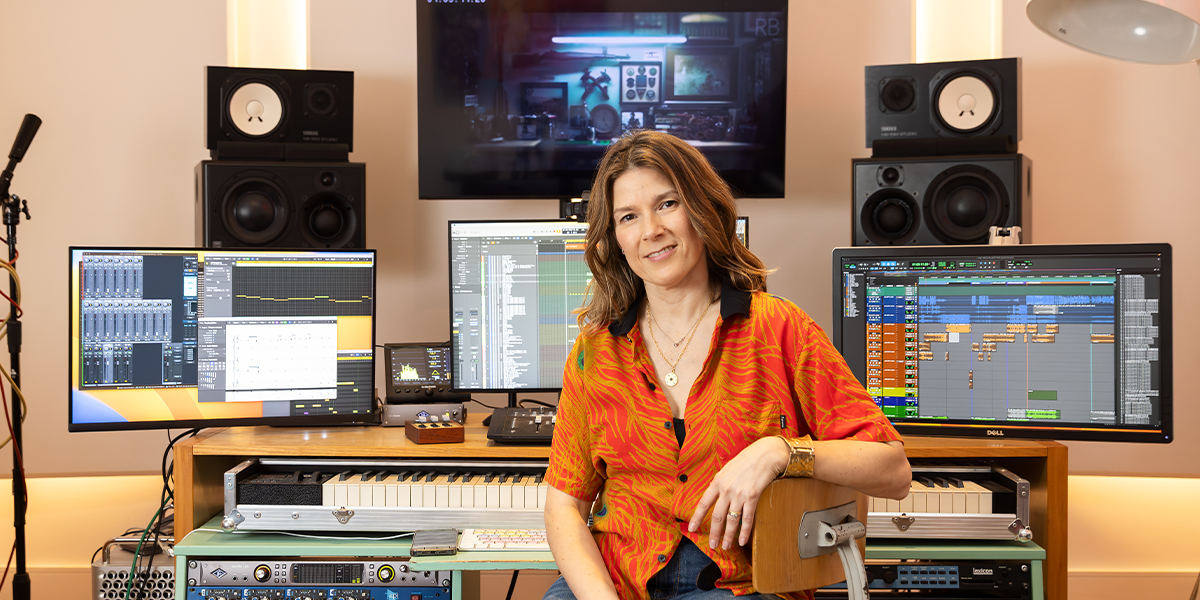 Emmy-nominated composer Ruth Barrett
Emmy-nominated composer Ruth Barrett says the inspiration for much of her work comes from experimenting in musical form during her time at Cambridge.
As Tom Hardy smoulders in ITV’s Wuthering Heights, and Keeley Hawes plots her future as the Home Secretary in the BBC’s Bodyguard, there’s a vital extra dimension lurking in the background that’s not seen – but definitely heard.
And that’s all down to the genius of Ruth Barrett (Caius 1997), the Emmy Award-nominated composer for film and television.
“The music I create can bring energy and propulsion, add mischief or build tension,” says Barrett, who, alongside terrestrial blockbusters, scored The Terminal List: Dark Wolf and The Girlfriend for Prime Video, the latter directed by and starring Robin Wright.
“It’s like introducing another character.”
The inspiration for much of her work comes not necessarily from her music course – it was “very traditional, with nothing after 1900”, she says – but from experimenting as composer, conductor or musical director on various plays and performances during her time at Cambridge.
She readily admits there was an element of anarchy to some of these, but says this unofficial theatrical training still influences her work, inspiring her to new levels of experimentation and playfulness.
“At Cambridge, we were always outside of our comfort zone, flying by the seat of our pants, coming up with new sounds and new approaches,” she says.
“Someone would put a note in your pigeonhole asking you to be their musical director, and even if you’d never done it before, you’d just do it. Perfection was not paramount, it was the energy and the vibe, and what things could be discovered.”
"Universities are the places where research is done, where ideas are generated, where the future is put together. We need to persuade governments of the sheer importance of that role, because I don’t think they recognise it yet."
Hungarian Rock György Ligeti, 1978
Hungarian Rock György Ligeti, 1978
This is a mad, crazy piece with an anarchic, off-kilter energy, like a train going off the track. I picked it for a performance of The Malcontent at the ADC as it seemed to fit the mood of Jacobean corruption. Ligeti uses instruments in an unconventional way, and I would rope in my friends – not music students but medics or English students – to play in the pit. I remember one always played cello with his tongue sticking out. They weren’t traditionally trained and were open to doing things differently, and this is something I’ve kept with me in the people I work with now. They’re professionals, but they have different personalities.
The Bottle Dance, Fiddler on the Roof Jerry Bock, 1964
The Bottle Dance, Fiddler on the Roof Jerry Bock, 1964
This piece gathers momentum and becomes a drunken riot, much like our performance of it. Two friends and I co-directed the musical to perform in College on May Day. We decided to skip the matinee and just do one evening performance for maximum effect. Even the rehearsal was ridiculous – we took the scores onto a punt and got so animated acting out the scenes we all fell into the Cam. By the evening everyone was drunk – both crowd and cast. We kept crashing into each other, going at either half speed or double speed. It was a whirling dervish of a performance and this song encapsulates that.
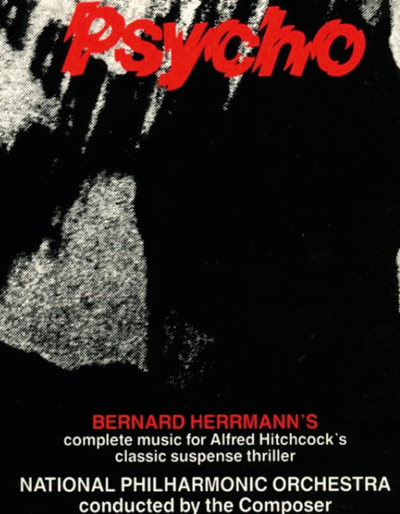
Prelude, Psycho Bernard Hermann, 1960
Prelude, Psycho Bernard Hermann, 1960
I held a screening of the 1960 film Psycho, produced and directed by Alfred Hitchcock, where I removed the music and then swapped it around, to test what the effect was on the audience. It showed me that regardless of the scene, in many places it was the music that was really driving the narrative, telling you something was going to happen when nothing is happening, for example. On my course, film music wasn’t considered something worthy of study, but at the same time at Cambridge there was a big culture of creativity and curiosity. If you didn’t have something, you sought it out – and if you couldn’t find it, you created it.

Stuck in the Middle with You Stealers Wheel, 1972
Stuck in the Middle with You Stealers Wheel, 1972
Reservoir Dogs was just out, and this glamorisation of violence by juxtaposing it with music was a novel filmmaking technique that was very delicious at the time. I just thought: ‘Wow, what an amazing technique for affecting the audience!’ – the humour of it, and the thrill. It was also novel because it was a film soundtrack you actually wanted to listen to away from the film. Cambridge was an up and down place. There was a lot of pressure, and my course was quite rigid and tough. You were basically expected to write a fugue a week in your head! This song felt like a release. It took me a while to get to film and TV composing after Cambridge, but many of the seeds were sown there.
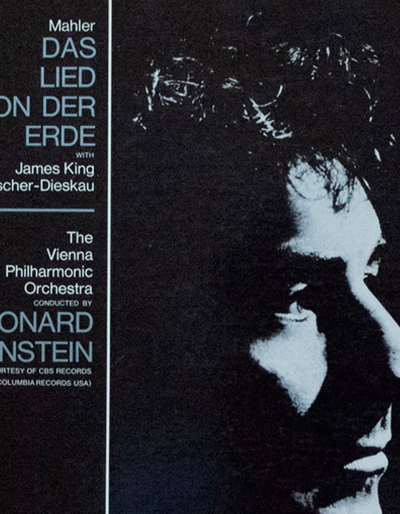
Das Lied von der Erde Gustav Mahler, 1908
Das Lied von der Erde Gustav Mahler, 1908
One course module I did like was this Mahler piece, an orchestral work written between 1908 and 1909 comprising six movements for two voices and orchestra. To me it’s like film music – at the beginning it’s quite deathly and atmospheric, and it reminds me of Morricone’s music for the 1986 film The Mission, directed by Roland Joffé. Written when Mahler was facing death, it’s tragic, and has a fragility and a poignancy to it that’s very poetic. It spoke to me, like Gabriel’s Oboe in The Mission. I love the sound of it; and it has a low hum that I used when doing the music for the TV series Whitechapel and Wuthering Heights, to help create that dark atmosphere.
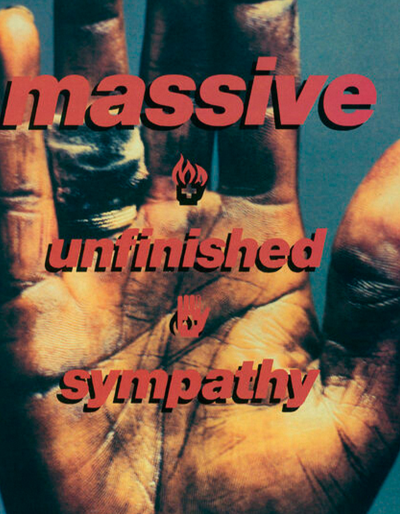
Unfinished Sympathy Massive Attack, 1991
Unfinished Sympathy Massive Attack, 1991
I first heard this during freshers’ week and was blown away by it. Again, it’s cinematic, and those strings… oh my God. It’s so emotive and harmonically scrunchy, it takes you somewhere else. And I have to confess it gives me an emotional hit – the guy who played it to me during freshers’ became my secret boyfriend. I didn’t want to admit I’d met someone so quickly. I’d ride my bike over Clare Bridge to Harvey Court, to his place in Caius. I’d stop on the bridge and look over the river in the moonlight and feel the thrill of its surreal beauty, as I travelled to my secret liaison. During that hinterland year, he often played that track.
Being at a university so steeped in tradition almost made me fight against it. My course was very academic, so I had to look for contemporary outlets in order to satisfy my curiosity, and struggle for what interested and excited me. Everything was a discovery, and that was a great lesson.
The Terminal List: True Believer, starring Chris Pratt, with music by Ruth Barrett, is available on Prime Video.
Share this page