 CAM
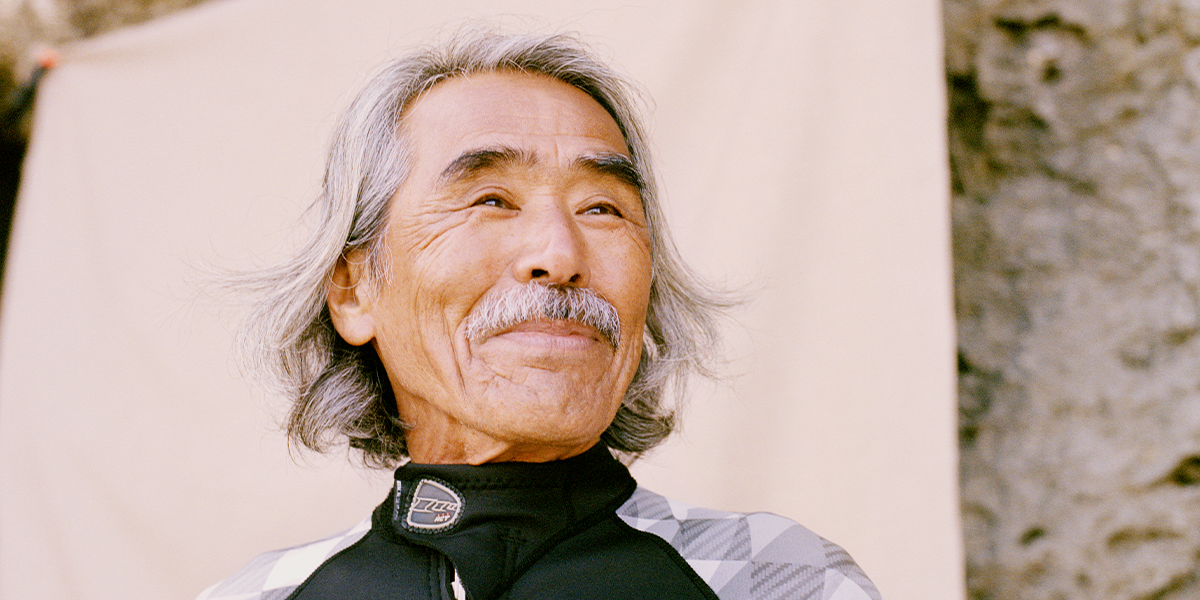
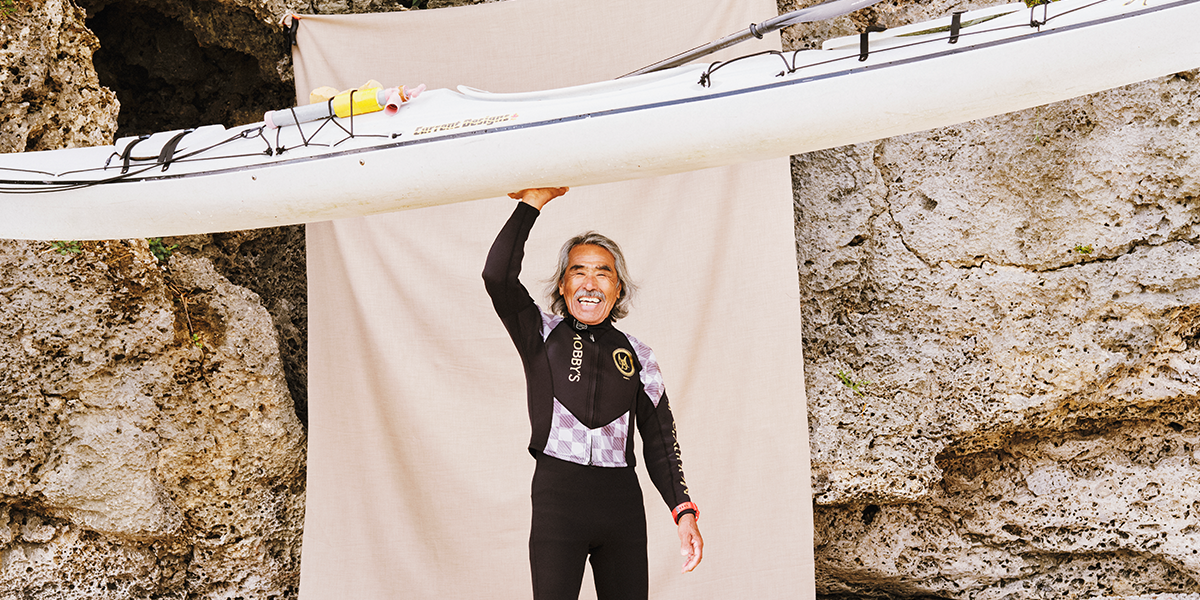
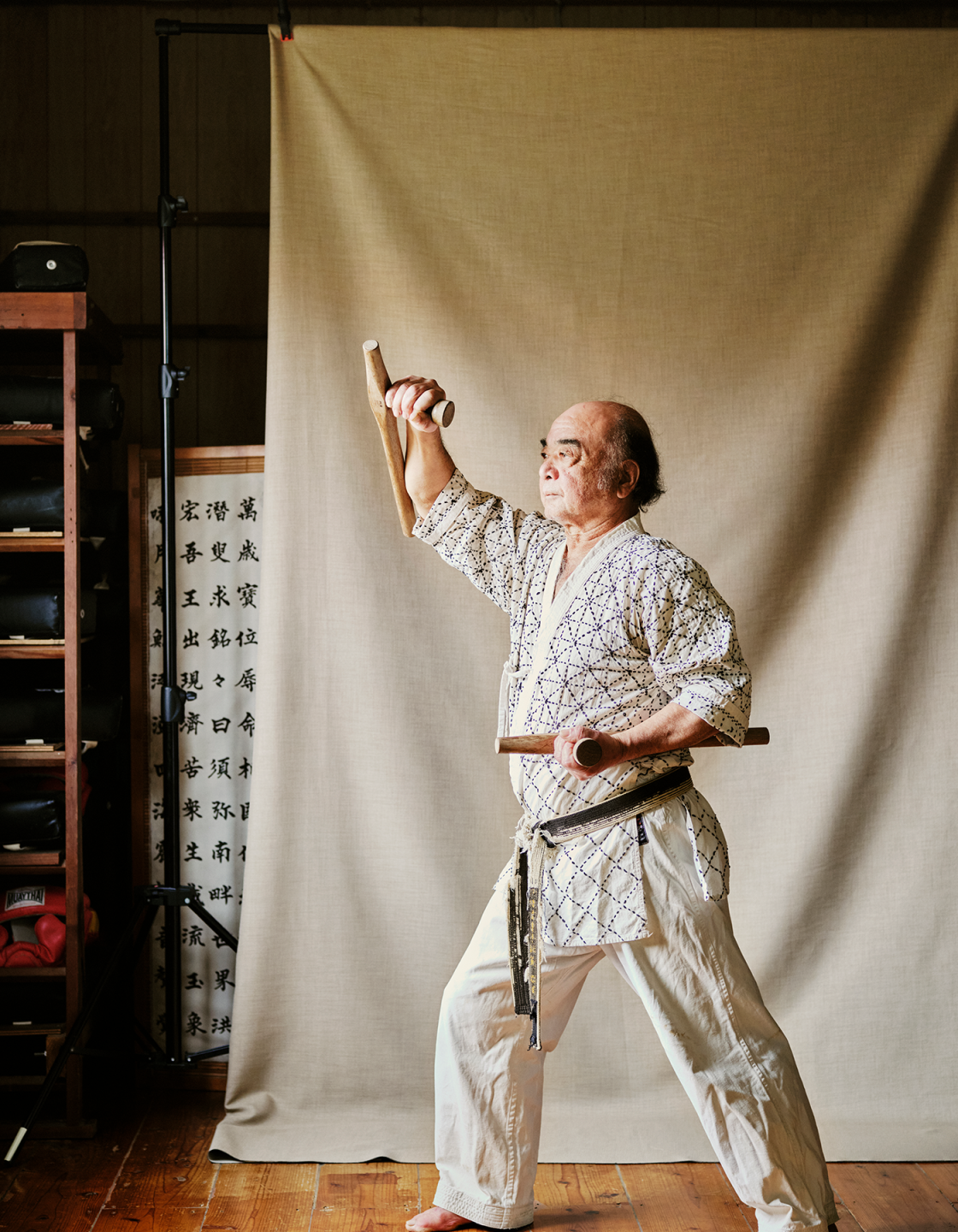
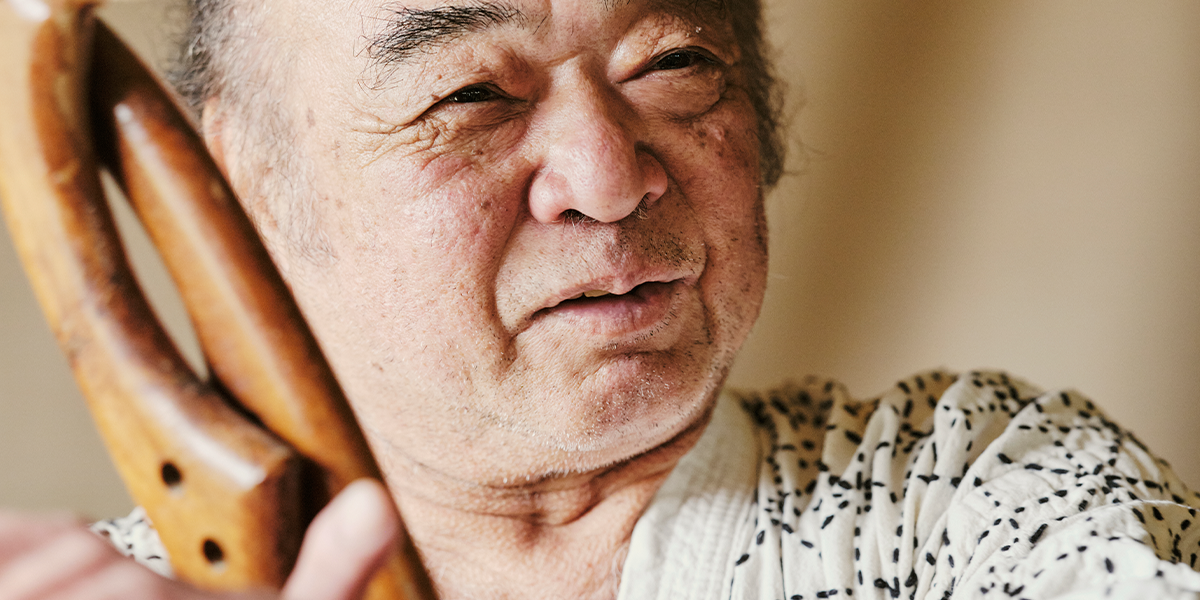
CAMKayak guide Shokita Masakatsu (73) photographed on a beach near his home. His philosophy is to share the joy of sea kayaking and the abundance of Okinawa’s nature with as many people as possible.
Photography: Kate Peters

I want to live for ever. I want to retire at 50. Paying for care is a lottery. I don’t know if I’ll ever be able to retire. The tropes of ageing are simultaneously contradictory and limiting, so what does it really mean to age well?
Lima, Peru: in an institute for old people abandoned by their families, a woman refuses to put down her knife and fork and eat with a spoon.
“They tell me it’s the easiest way, that it will stop me dropping it,” she says.
“But I refuse, because I have always been a fighter.”
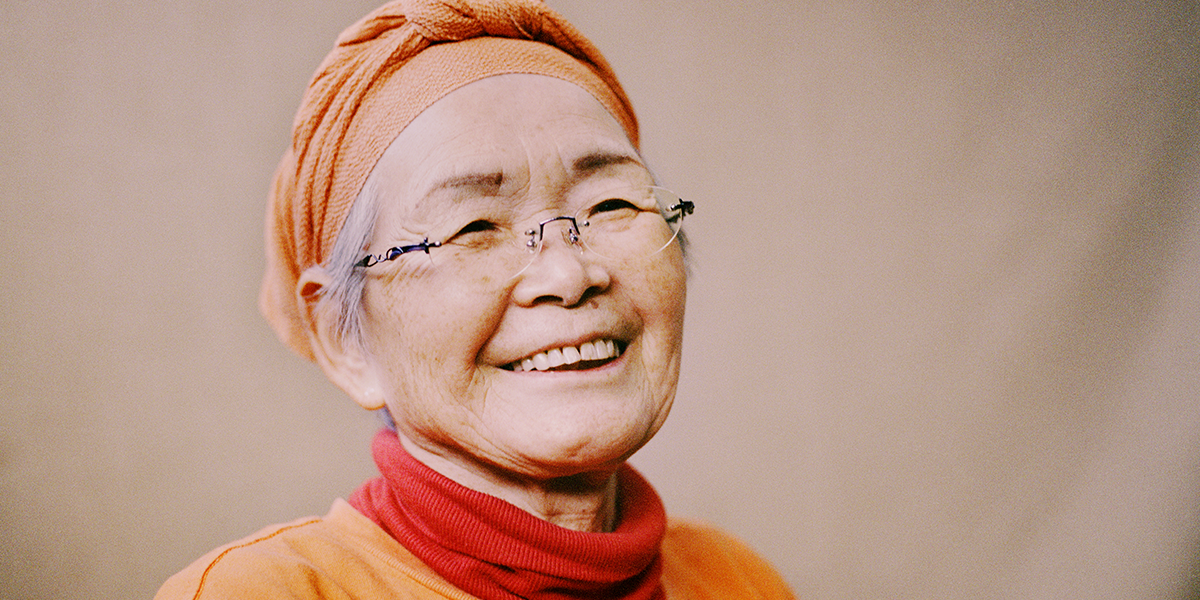
Osaka, Japan: a group of old women gather to drink tea, chat and discuss who needs what and who can help: can anyone’s son stop by Mrs So-and-so’s house and help her change her lightbulbs?
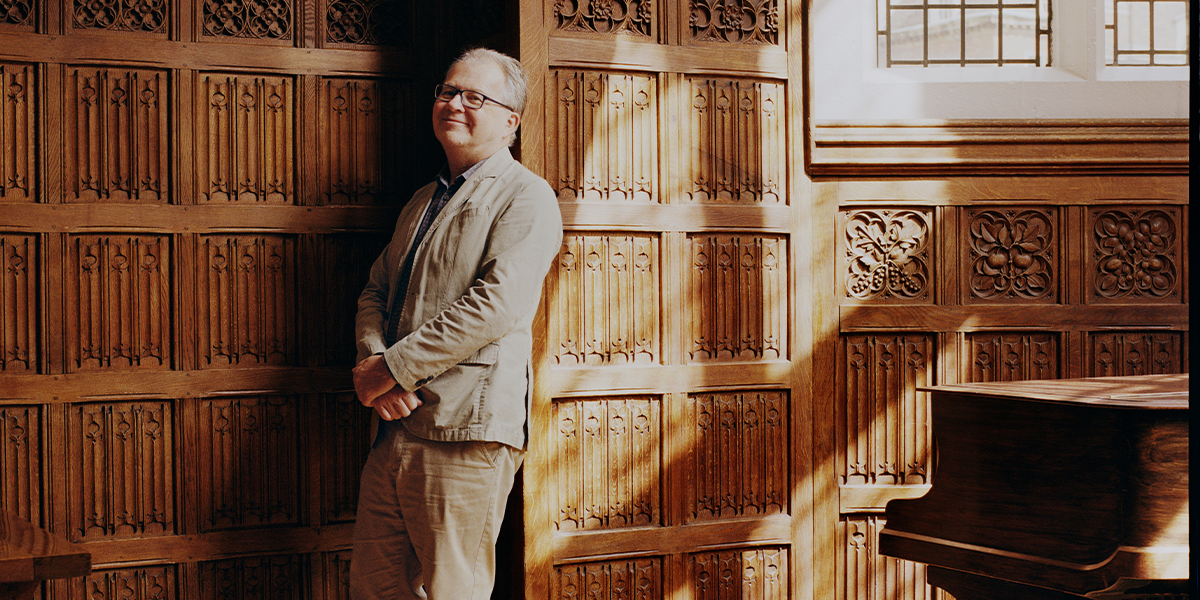
Eastbourne, England: an old man in neat khaki slacks and garden shoes finishes mowing his lawn – just in time to make it to the golf course. All these people have one thing in common: they are old. But the similarities stop there.
The human experience of ageing contains multitudes, which is why researchers at Cambridge applied for support from the Centre for Research in the Arts, Social Sciences and Humanities (CRASSH) to launch the Precarious Ageing research network. It aims to widen the frame of reference, looking at ageing through time and across cultures to redefine what it means to be old and to get older. At its heart is the question of what it means to ‘age successfully’.
But that term itself is loaded, says Helen McCarthy, Professor of Modern and Contemporary British History.
“It puts the focus and responsibility on individuals to look after their own health and finances, to stay fit, beautiful and healthy for as long as possible, spend lots of money on face creams and gym memberships, and invest in their bodies.
All of which means that the state doesn’t have to step in to support them.”
It arose, she points out, from good intentions: older people’s organisations wanting to push back against equally damaging stereotypes of older people as useless, frail and decrepit.
“And there is still an incredible amount of ageism in our culture that needs to be called out. But if that pushback goes too far, old age becomes something almost radioactive – something you have to keep at bay for as long as possible, denying the physical realities of becoming old, and your need for care and support from others.
But ageing, particularly advanced ageing, poses very significant challenges to that concept.”
Photography: Kate Peters
Older people have so much value, so much wisdom. I believe we need a society of care where nobody is left behind"
Photography: Kate Peters
Old age, suggests Dr Iza Kavedžija, Associate Professor of Medical Anthropology specialising in Japan, is just one axis of difference among all the others that come into play in society: class, economic status, sex, location.
The discourse of ‘successful ageing’, she says, is encouraging – but also exclusive.
“What is considered to be successful in one place – for example, living independently – is not considered to be desirable in another. Plus, the idea that one will maintain health and be active is a very peculiar form of understanding successful ageing. It may exclude many who are simply unable to live that kind of life.” She cites recent work examining attitudes of South Asian migrants in London.
“They wanted to be dependent. They felt that they’d earned the right to be looked after by their families. They did not aspire in the slightest to independent ageing.”
The UK’s concept of retirement, for example – affluent, peaceful, inevitable – was born in the 19th century, pioneered by a civil service that wanted a way to get rid of older employees.
A culture grew around adult education, holidays, gardening, the National Trust, golf and moving to the seaside. This was all driven by men, of course, says McCarthy.
“Advice manuals from the 1950s all have chapters in which they discuss how to handle things with your wife, who has usually had the house to herself.
There’s a lot of commentary on how male retirement threatens domestic harmony because men want their lunch at a certain time. Of course, there absolutely were women who had continuous careers and did retire. But they are relatively small in number.”
However, in low-income countries ageing looks very different, points out Dr Magdalena Zegarra Chiappori, a medical anthropologist whose work focuses on urban older people in Peruvian society.
“In my work in Peru, the experience I see is very different. Peru is a country where people don’t have a lot. Very few people can age successfully – they just try to make the best of what they have. Ageing successfully is the prerogative of people who have had good life opportunities – economic security and social insurance, for instance. Right now, I don’t believe that a majority are ageing successfully. I think it’s about ageing the best you can with what you have.”

Photography: Kate Peters

Zegarra Chiappori has conducted extensive research and fieldwork at long-term care institutions for older adults in Lima, examining the attitudes and experiences of, and threats to, residents.
“They all follow the same routine every day. They wear the same clothes and eat the same food. They lose track of time. They lose track of everything. It’s a place of what’s known as ‘social death’. These people are, of course, not biologically dead, but they are invisible – to the other residents, to their families, to the state that should take care of them, and to the institution itself.”
At the Lima shelter, some residents had simply been left on the doorstep. Some had dementia or other mental health problems. Most had worked on the street all their lives – selling trinkets, sweets or T-shirts – and could no longer contribute to the family income.
All had one thing in common: they were poor. And they all had stories. The man who left his home in the rural Andes to search for a better life in the city, away from Shining Path attacks. The woman who never went to school but taught herself to write.
The families who take their older relatives to the shelter also live precarious lives in the margins of Peru’s economy and society – and the majority, Zegarra Chiappori stresses, send their older family members there with the best of intentions.
She asked one man why his sister lived in the shelter. “He told me that the infrastructure of his house was too precarious.
That he was a widower working two jobs to pay for his daughters to train as hairstylists and nail polishers – jobs which so continuing the same cycle. He wanted to take care of his sister, but he couldn’t.” In fact, the people who work at the shelter also felt invisible and exploited.
When Zegarra Chiappori asked why residents were restrained with scarves tied to their bedposts, for example, the answer was simple: the nurses didn’t like doing it, but a resident with dementia needed his incontinence pad changing and they couldn’t risk them making a mess.
“They had no resources to do it any other way.” Kavedžija’s work focuses on Japan, often held up as a model of successful ageing.
The idea of filial piety – treating your older relatives with honour and respect – is still very strong there. But the shape of the Japanese family is changing, she points out: people are having fewer children, meaning fewer siblings to share the burden of care.
Photography: Kate Peters
The bigger conversation in society should be about the kind of support that creates the conditions within which people can pursue self-development, purpose and meaning
Photography: Kate Peters
Grandparents, meanwhile, are living longer.
“So a couple might have only one child, but two sets of grandparents to look after. Their capacity to provide care has completely changed, not due to a lack of will or interest but a large-scale structural shift.”
Look on social media and you’ll find a very particular Japanese stereotype of ageing: tranquil older people doing t’ai chi in parks, eating a healthy diet rich in vegetables and fish, being looked after by their solicitous family.
Yet these posts rarely mention the fact that Japan has one of the most extensive forms of long-term care insurance. Everyone is obliged to pay in from their mid-40s, and everyone over 65 is entitled to claim based on need, not on income.
It supports care in the home and the community, residential care and daycare activities.
“Though I don’t want to romanticise it, as it also has its problems too – as the number of older people has grown, there is a strain on that system,” says Kavedžija.During her research in Osaka, Kavedžija was struck by a particular group: older housewives who had not taken part in paid work but who had worked for their families all their lives, bringing up children and looking after their husbands.
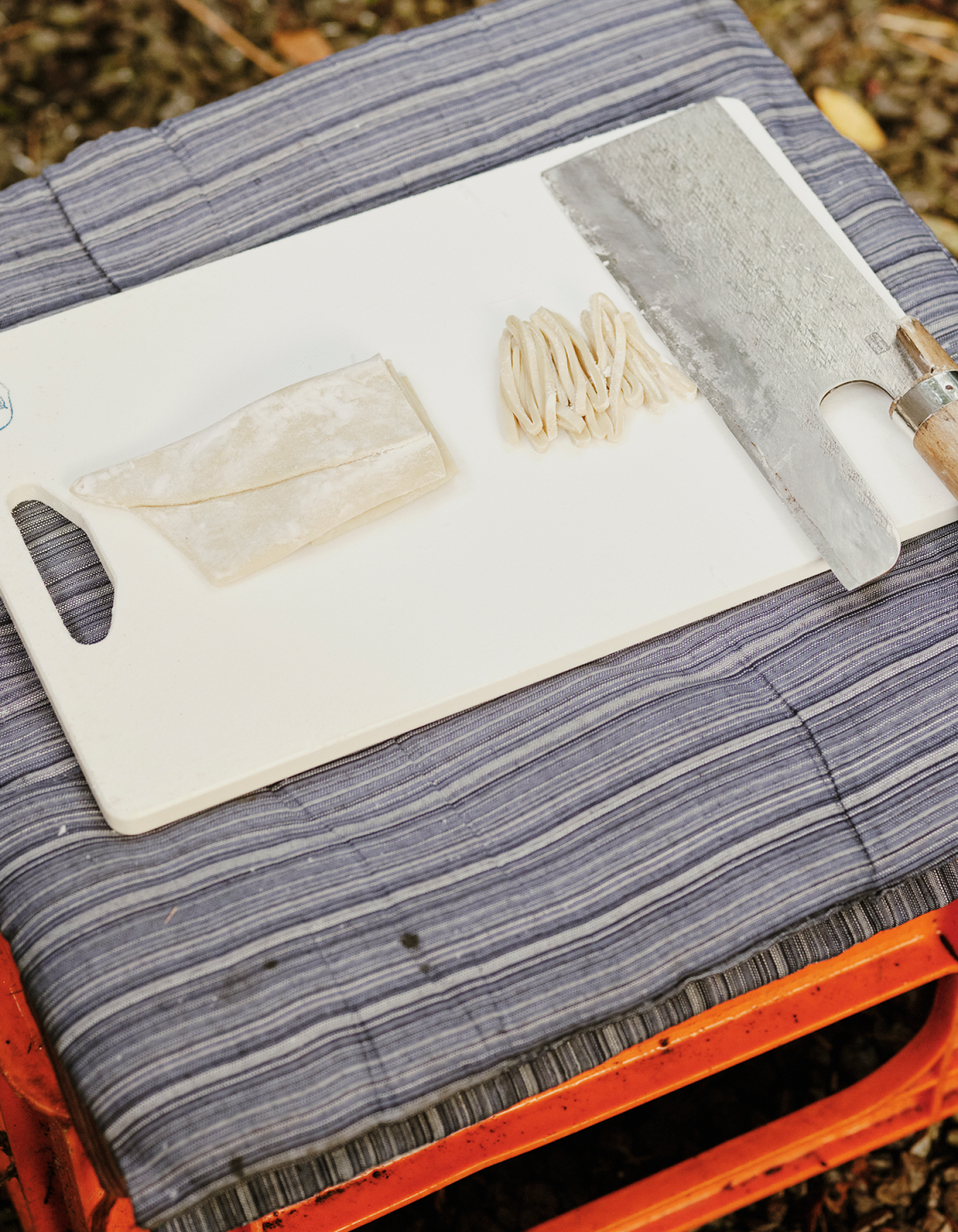
“They had a sense of well-deserved ease. They were living well. They had a positive attitude, and there were two insights that emerged to explain it.” Firstly, the sheer amount of care that the older people were undertaking for each other – not just direct, but indirect, such as the lightbulb-changing son. And the second was the importance of story: the stories that the old people told each other, and the way that they remained active and involved by telling stories – about themselves, about others, about their past, present and future. Stories, Kavedžija points out, are inherently social. “We tell them to each other, we compare ourselves to them, we contrast different stories. Being able to think narratively allows you to order your life events in a meaningful flow, rather than just an assortment of things that happen one after another.”
Photography: Kate Peters
Photography: Kate Peters
Photography: Kate Peters
Photography: Kate Peters
So what can we learn from these snapshots?
There are many lessons in how older Japanese people live which individuals can adopt – Kavedžija is particularly fond of the formality applied to normal interactions.
“The proper way of serving tea, for example. It’s not taxing, it’s pleasurable.” But, she says, the bigger conversation in society should be about the kind of support that creates the conditions within which people can pursue selfdevelopment, purpose and meaning.
In the UK, McCarthy observes, the retirement enjoyed by the post-war birth cohort is still very much in evidence – but Generation X and those who come after them are likely to have a very different ageing experience.
“They may find that they don’t have enough of a pension to retire comfortably with.
The government’s current thinking is around extended working lives, and there’s a certain logic to this because people are living longer. But the lessons of history should prompt caution – because all my research suggests that people are, on the whole, extremely pleased to give up work in their 60s.” Getting old, after all, is something that hopefully comes to us all, wherever we are in the world – and every society needs to recognise that, says Zegarra Chiappori.
Photography: Kate Peters

Photography: Kate Peters
Founded in 2001, The Centre for Research in the Arts, Social Sciences and Humanities (CRASSH) promotes innovative interdisciplinary research across the arts, humanities and social sciences and supports connections between academic research and policy, cultural institutions, and wider public life. It is now one of the largest humanities institutes in the world, with a global reputation for excellence – and celebrating its 25th anniversary this year. crassh.cam.ac.uk