 CAM
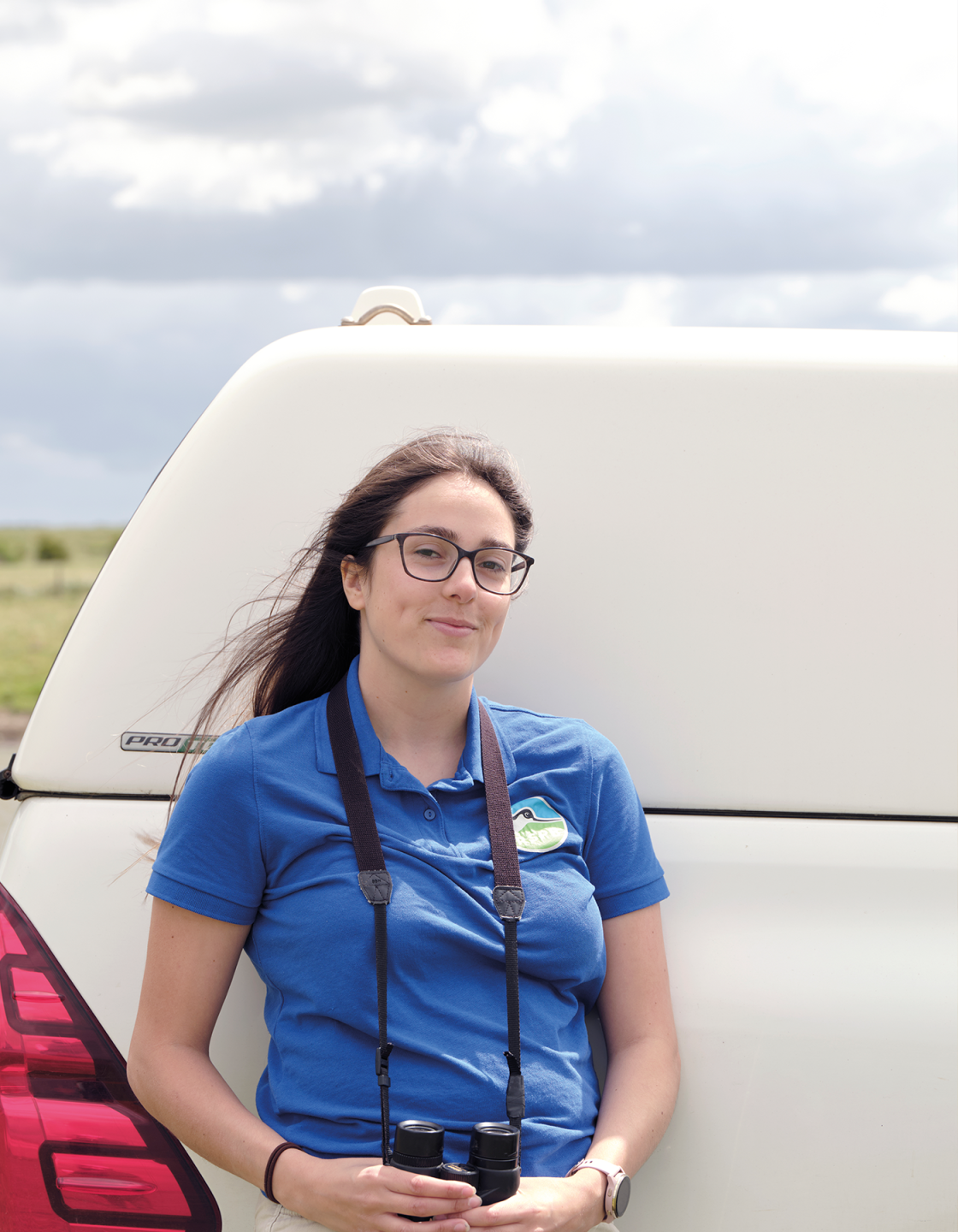
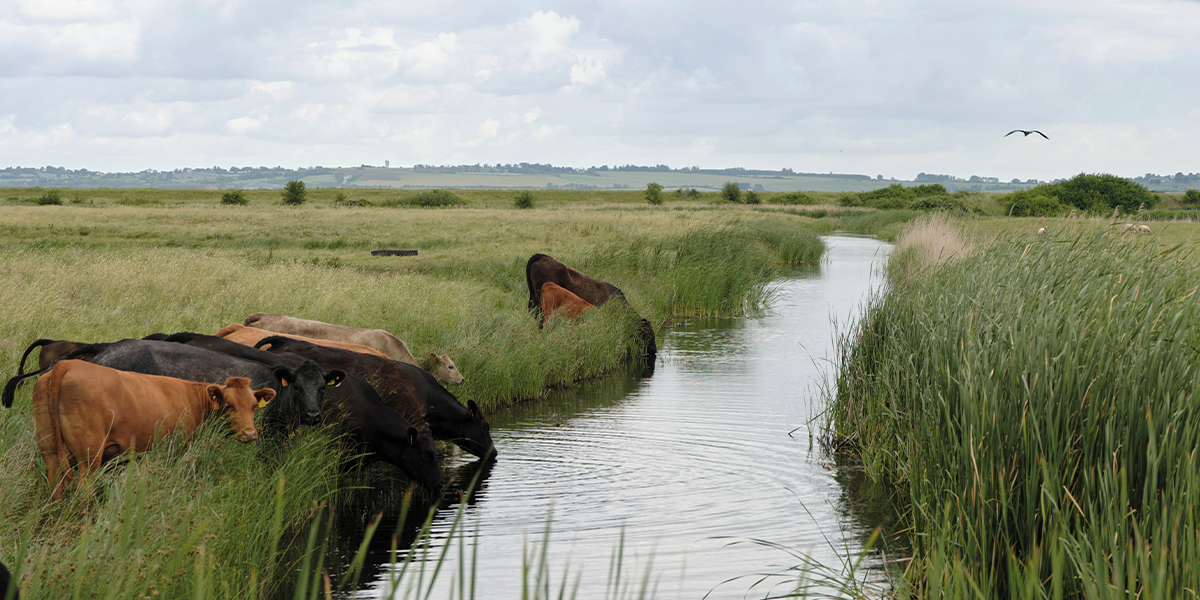
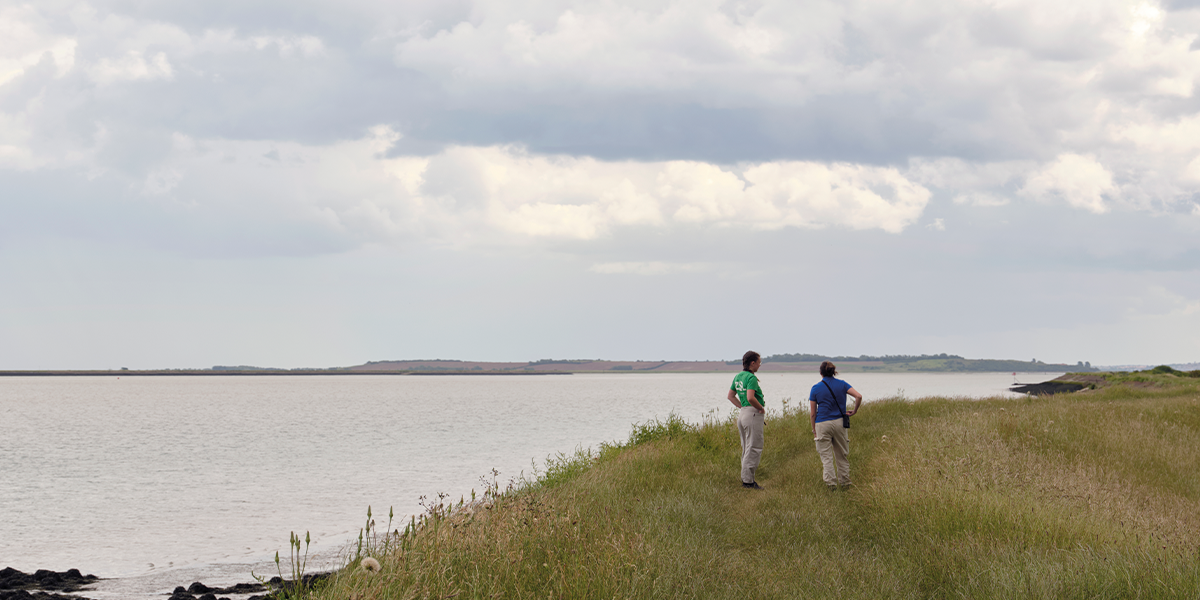
CAMThe RSPB’s Lauren Band, monitoring the lapwing population at Blacketts Farm.
Photography: Julian Anderson

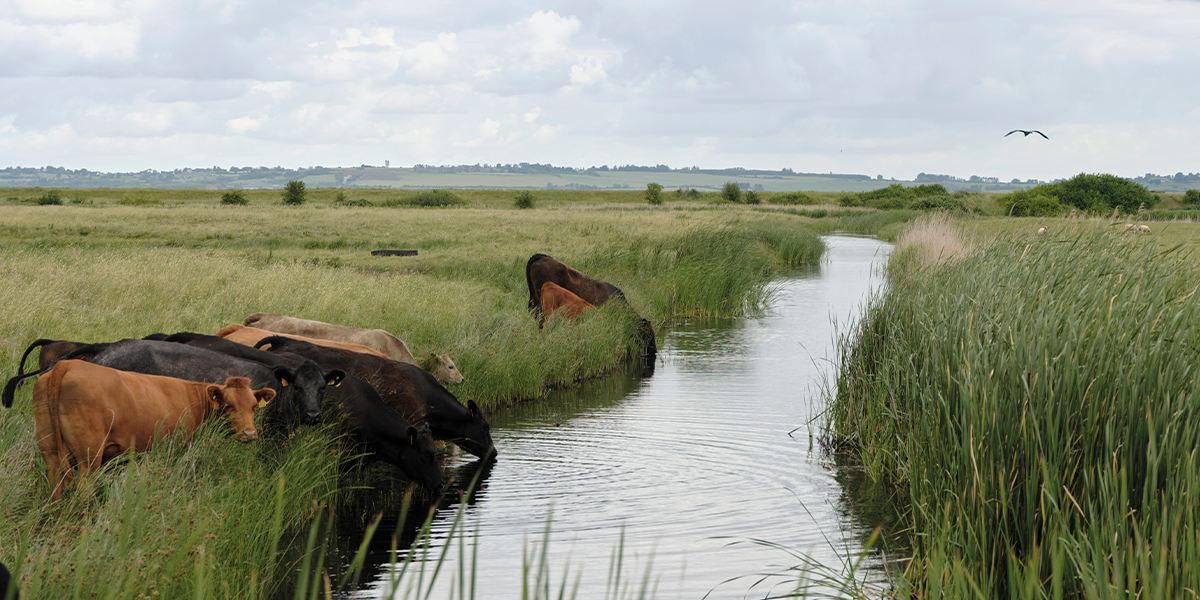
Great Father Thames has provided food, industry, transport and protection for the inhabitants of London and the east of England for more than a thousand years – but human activity has taken its toll. Now’s the time to restore its former glory.
Photography: Julian Anderson
“We have four species here in the Thames Estuary,” says Anna Cucknell, Seascapes Programme Manager at the Zoological Society of London (ZSL).
“The waters are brown and muddy looking, but they’re still rich with life.
We regularly find harbour porpoise and dolphins, two types of seal, many commercial fish species such as sea bass and flounder, and the whole area is an internationally important site for wading birds.
It’s a gorgeous mosaic of habitat.” But all this is under serious threat.
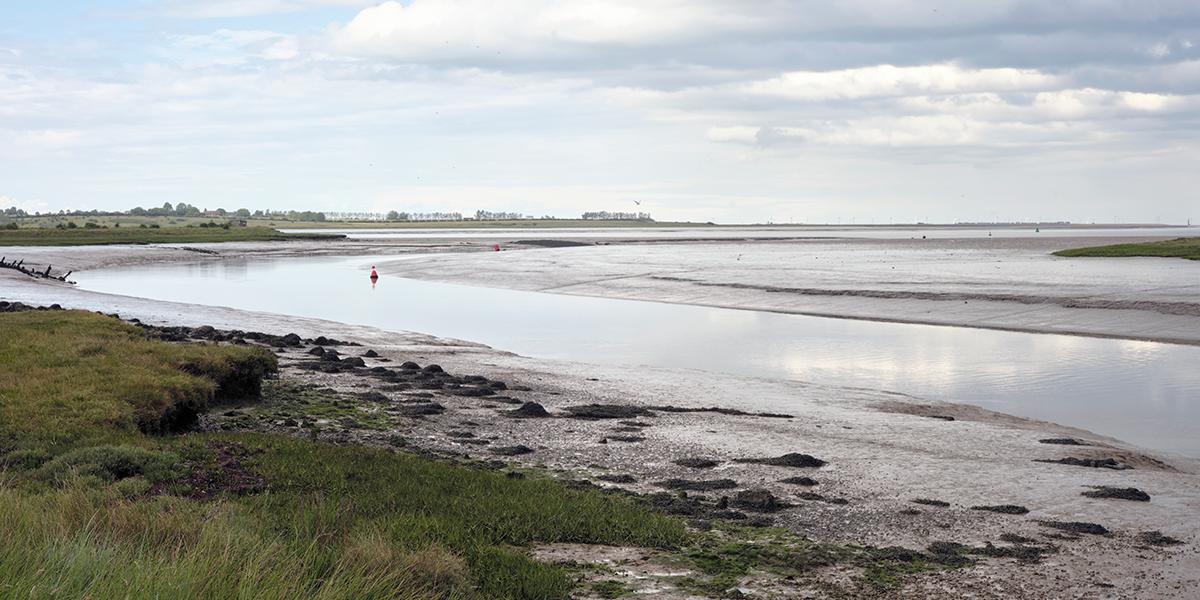
Over the centuries, the Thames Estuary habitats – from oozing mudflats and rippling seagrass meadows to plated shellfish beds and the briny tang of saline lagoons and saltmarsh – have become fragmented and degraded.
Intensive human intervention and exploitation, such as industrial outflow and large-scale construction of sea defences, has taken its toll.
The long-term impact on some species has been little short of catastrophic. Compared to the pre-industrial period, saltmarsh in England has declined by 85 per cent since 1860, and the UK’s native oysters by 95 per cent over a similar timeframe.
In 1953, water quality in the upper reaches of the Thames was so poor the river was declared ‘biologically dead’.
And estimates suggest nearly 40 per cent of UK seagrass has been lost since the 1980s.
Now an unprecedentedly ambitious partnership – funded by the Endangered Landscapes & Seascapes Programme (ELSP) and managed by the Cambridge Conservation Initiative (CCI) in partnership with Arcadia – is seeking to bring the river and estuary back to its former glory.
The project, named Transforming the Thames, began ELSP-funded feasibility work in 2023.
Then, in spring 2025 and with almost £4m backing from the programme and more from other funders, work began.
Photography: Julian Anderson
Photography: Julian Anderson
“The ambition attracted us,” says Berry Mulligan, Seascapes Programme Manager at CCI – a partnership between the University of Cambridge and 10 worldrenowned conservation organisations.
“The project has built an incredible spectrum of partnerships: with government agencies such as Natural England, seabed and landowners like the Crown Estate, leading environmental groups such as the RSPB, and regional wildlife trusts.”
“There’s an incredible mix of opinions,” says Cucknell, who adds industry and local councils to the list of partners.
“But we’re all working towards a single goal, which is a 100-year vision for these habitats to come back to life.
“The ELSP requires every project it funds to be trying something new and reporting back on it. They encourage you to push the envelope.”
“We believe that restoring nature at scale is one of the best ways to tackle the twin crises of biodiversity loss and climate breakdown,”
Mulligan explains. “Until now, the typical approach has been focused on small sites, and on single species.
Landscape or seascape restoration attempts take a more holistic approach to recovering these places.”
The Thames project is among nine similar seascape projects funded by the programme, including restoring the North Sea’s Dogger Bank, rewilding the seas of northern Cyprus, and supporting Denmark’s Sejerø seascape. But it’s a stillnovel conservation approach.
“We’re quite unusual as a funder in that we have a dedicated science team working with us,” says Mulligan.
“They support projects to ensure they’re delivering robust restoration science that can build evidence to show what works and what doesn’t. It really fits with the scientific ethos of the University.” Findings will be made open access, for others to learn from.

Photography: Julian Anderson
Photography by Dr Susanne Turner
Designing, organising, implementing and evidencing a project the size of Transforming the Thames requires an immense range of skills, Mulligan explains.
“You need the people who know how to restore oyster reefs, or how to safely access a mudflat on a hovercraft. Very practical, hands-on things. And you also need people who are asking questions such as: ‘What’s the impact of water quality on the different habitats? How do we monitor that over time?’ The Thames as a river is iconic. The seascape is magical. And the demonstration value of this project, in showing what can be done, is potentially massive.”
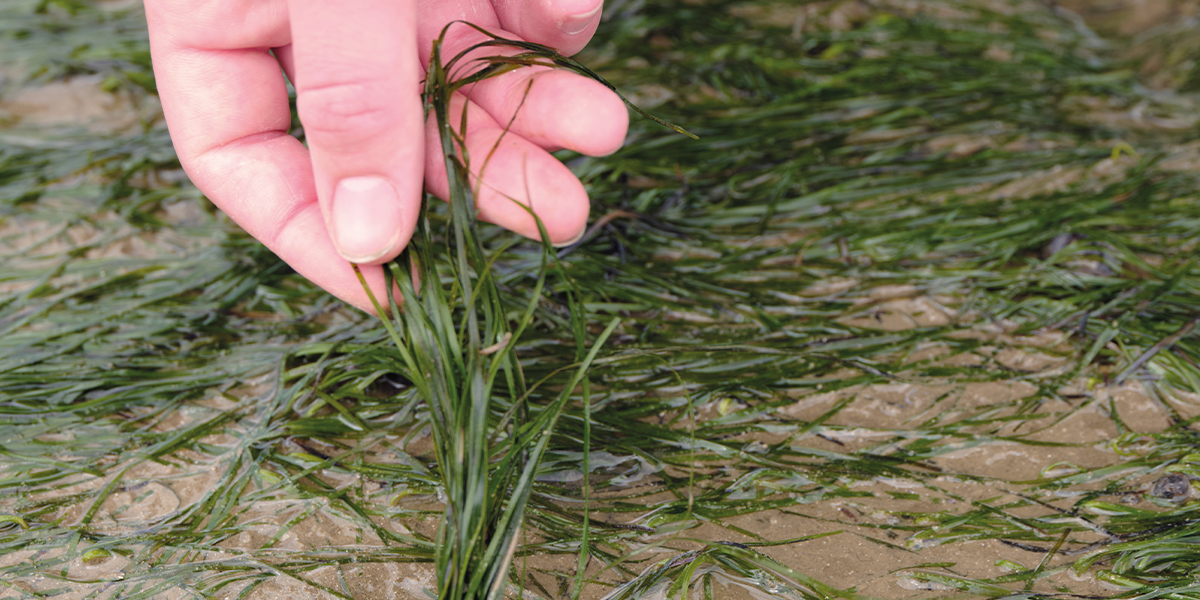
One strand of ZSL’s Thames work already underway is seagrass restoration, where the conservationists are trialling new techniques.
“We’re using drone monitoring to help us track our progress and produce statistical analysis,” says Sally Gray, ZSL’s Partnership Project Manager for Transforming the Thames.
“There is no universal how-to guide for seagrass restoration. We have to test different methods and use the evidence to determine the best restoration approach for our context.
Of course there will be things we try that don’t work, or not in the way we expected. And discovering and learning from that is important too.” Alongside the exciting innovation, there’s also boots-on-the-ground hard work of the old school variety.
“Some of it is amazingly workaday,” says Gray, with a smile. “Yes, we’ve got drones. But we’re also using stock fences in a way that farmers and landowners have been using for hundreds of years.”
And those boots on the ground sometimes mean pattens – wooden overshoes that were common from medieval times through to the Georgian era, and now worn by Transforming the Thames Project Coordinator Olwen Belgrove for a day’s restoration work in the seagrass meadows.
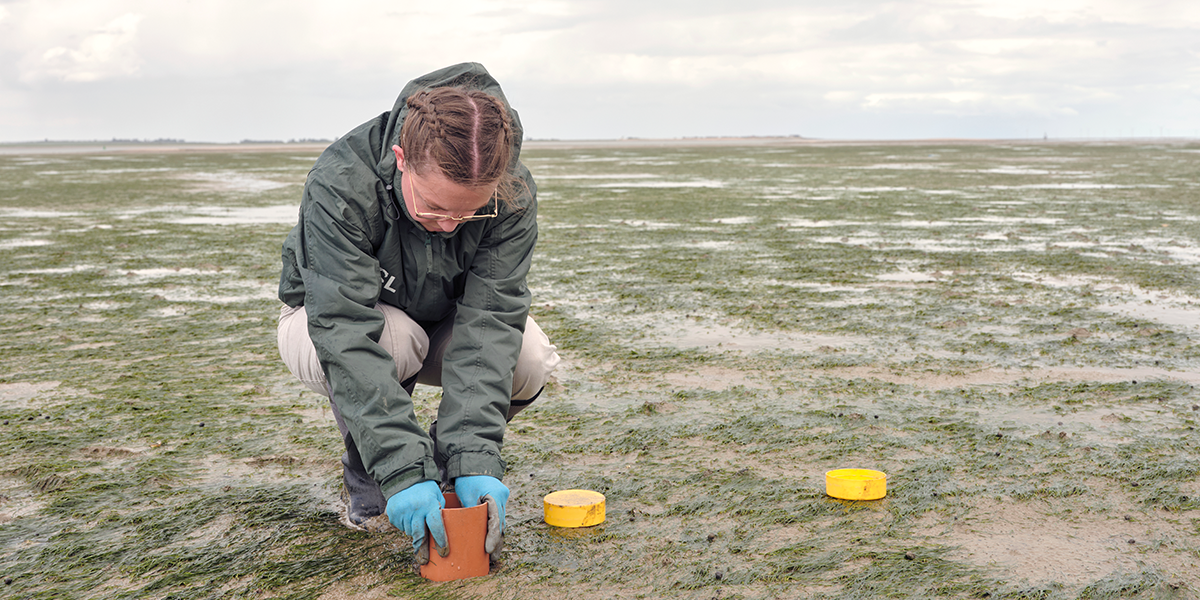
“First, we put on our waders,” she says, “because it’s extremely muddy work – we’re in the intertidal zone, which is covered by water at high tide.
Then on go the pattens, big wooden squares that help us walk on the mud and which minimise damage to the existing seagrass.
If we’re at the donor meadow, where we’re removing cores of healthy seagrass for transplantation, we’ll be pulling a bodyboard that has all our kit on it, which gives you a beach holiday feel.
“And once we’re planting those cores at their new location, that feels a lot like normal gardening. You’re getting everything nice and neat, judging the depth – not too shallow so a new planting is washed away when the tide comes in, but not so deep that it’ll be covered by mud and silt. Lots of people in the office joke about how our lives revolve around the tides.”
Photography: Julian Anderson
There is no universal how-to guide for seagrass restoration. We have to test different methods and use the evidence to determine the best restoration approach for our context
Photography: Julian Anderson

Photography: Julian Anderson

Photography: Julian Anderson
Giving nature back its power
Mulligan, too, has been quick to get his feet wet.
“My mother was born in Leighon- Sea,” he says, “and my grandfather was a customs officer who worked in the London docks and at Gravesend. All my life I heard stories about messing around in boats and digging in the mud.
The river’s in my history. So it’s incredibly inspiring to be able to play a part, in a small way, in restoring it and keeping it healthy so others can experience a thriving river in the future. So often we don’t know what we’ve lost – and in marine settings, with belowwater habitats, it’s even harder to know what’s gone. My dream for Transforming the Thames is that it’ll really show people what can be achieved and help them feel hopeful that nature can recover.”
Mulligan says the ELSP team normally visits all funded projects within the first 18 months of them being up and running, and last year he visited an Essex Wildlife Trust site and RSPB reserve – “on a surprisingly sunny day for that time of year,” he notes, cheerfully.
“It was great for us to explore the practicality of the work. In that area they’re dealing with a highly modified seascape, with large sea defences and channels that manage water instead of allowing it to flow freely inland. They’re facing lots of challenges but have fantastic ideas about how to help bird populations that are struggling, and how to recreate wetland habitat. But it needs to be done sensitively, because often there are people farming that land and living in these areas.”
Engaging local populations will be crucial to the success of the Thames restoration, says Gray.
“We are working on ways for community groups to shape our projects. We’re constantly finding new little areas of habitat because of local knowledge, and we’d love community leaders to tell us how they use the land, such as needing the water to be cleaner in a spot where people swim.”
And Belgrove believes participation will build a sense of pride and ownership.
“I would love for people to be able to walk down the coast path one day and say: ‘I planted that patch of seagrass meadow.’”
But all agree that the moment of true success will be when nature takes back its powers of renewal.
“Maybe in a hundred years – hopefully sooner, perhaps 50 – we aim to achieve a tipping point where seagrass is growing and oysters are thriving naturally,” says Cucknell. “That’s the goal of large-scale seascape thinking – to reach the point where nature can once more do the work itself.”
Photography: Julian Anderson
Photography: Julian Anderson
For more information, visit endangeredlandscapes.org