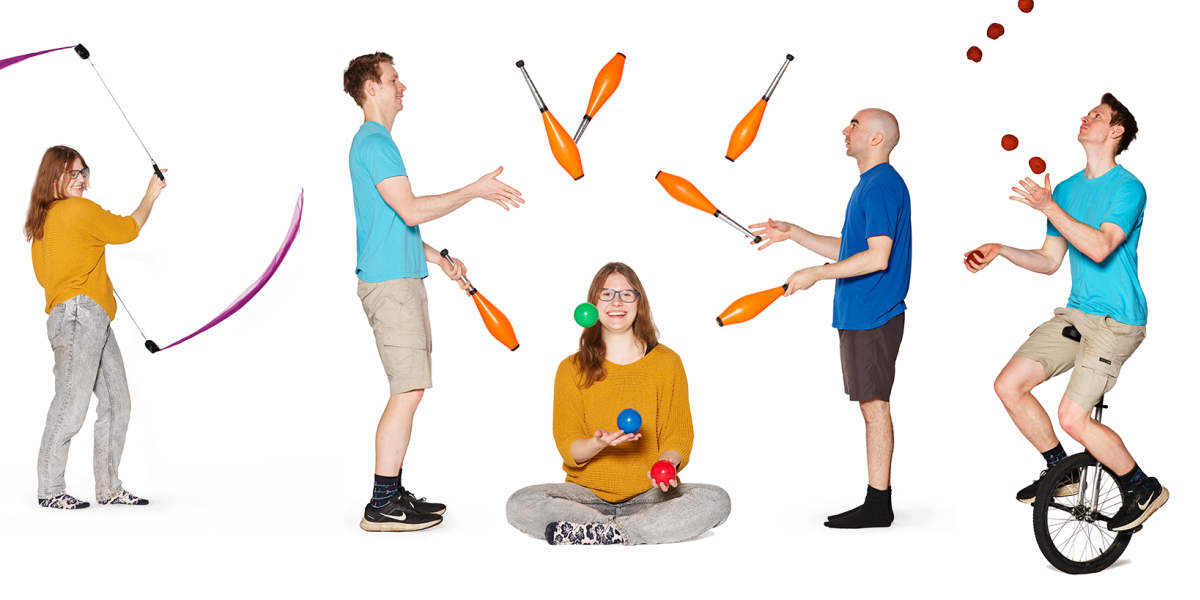
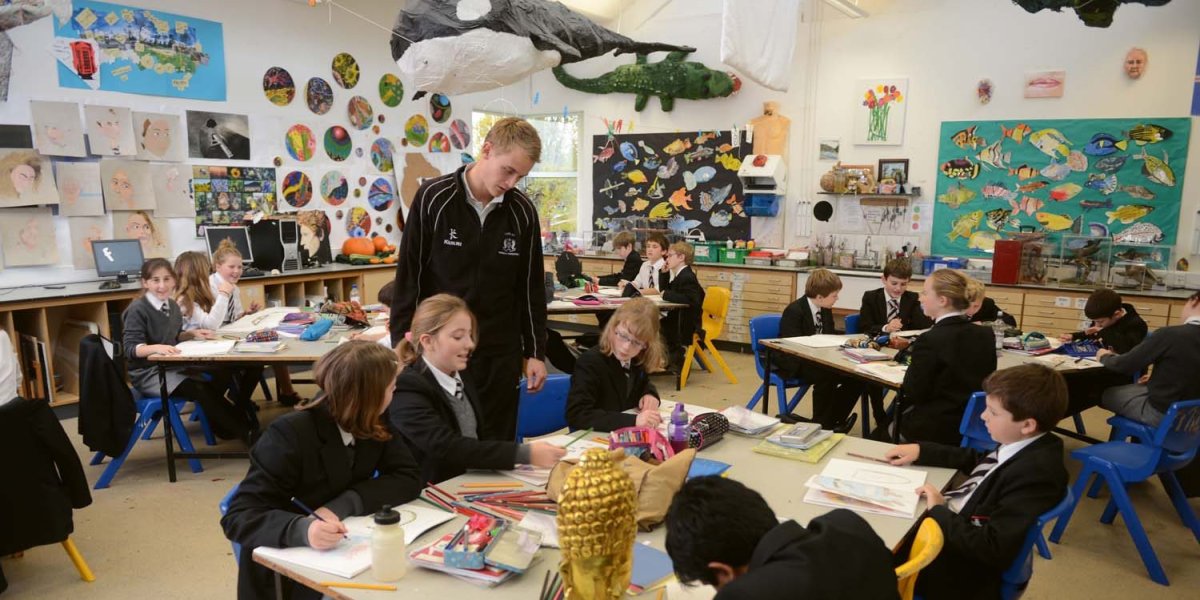
Issue - Any -Issue 108Issue 106 Issue 105Issue 104Issue 103Issue 102Issue 101Issue 100Issue 99Issue 98Issue 97 Type - Any -Alumni lifeFeaturesBrainwavesCrosswordDon's diaryDownloadInboxMuseoMy room, your roomNewsSchool of thoughtShelfieSoundtrackStudent lifeThis idea must dieUniversity matters Topic - Any -Arts, humanities and societyBusiness and financeScience, medicine and technologySports, hobbies and personal stories Student life / Society The anarchic Antipodean footie team held together by a strong community. Soundtrack / I slept through the whole concert – my reputation went up in flames that day Despite one minor setback, Mary Bevan’s experience with music at Cambridge convinced her that it could one day become her career. Museo / Cast in stone The Scott Polar Research Institute is home to the largest public collection of Inuit art, a fascinating insight into this traditionally nomadic indigenous culture. Inbox / Editor's letter and inbox Welcome to the Easter edition of CAM Crossword / A Leisurely Pursuit by Nimrod Solvers must find ways to connect four groups of three (including three nonstandard phrases) from realms – one group each – of history, geography, science/nature and entertainment. Wordplay in each of the normally numbered clues leads to the answer with an extra letter not entered in the grid. Soundtrack / I went to an organ concert at Selwyn and, for the first time, my body felt quiet Linseigh Green spent much of her Master’s at the Institute of Continuing Education in lockdown, but that was the least of her challenges. Museo / Platypus matters Surprise discovery reveals a physical link to one of science’s most significant findings – and validates the theory of evolution. Student life / Eye on the ball As if juggling wasn’t tricky enough a skill to master, the Cambridge University Jugglers’ Association (CUJA) has found the perfect way to up the ante: combining it with surely the most Cambridge of all pastimes. This idea must die / This Idea Must Die: "Planting trees will solve climate crisis" Professor Marc Macias-Fauria says tree planting at high latitudes will accelerate, not decelerate, global warming. School of thought / School of thought A new study shows teaching empathy has improved conduct, awareness, wellbeing and curiosity. My room, your room / My room, your room Work. Socialising. Hobbies. Lots of hobbies. Comedian and podcaster Phil Wang and economist George Bland discuss the art of balancing your Cambridge life. News / Lent edition- Campendium CAM's summary of what's been happening across the University. Pages« first‹ previous123456789…next ›last »

 CAM
CAM